RIB Tube Repairs: Common Problems and Fixes

A tear in an inflatable tube is common @ RIBs ONLY - Home of the Rigid Inflatable Boat
A tear in an inflatable tube is common – © Karl Petermichl

Leave Major Repairs to Qualified Professionals

Most tube repair work on a RIB is more straightforward than owners expect, once the problem is correctly diagnosed. Knowing which jobs are safe to DIY, and which need a professional, saves both money and risk.

This guide covers the most common tube problems, how to diagnose them, and where the sensible repair limit sits.

Small Punctures: The Most Common Repairs

A small, isolated puncture is usually the easiest tube repair job, and one many owners can handle themselves with the right patch kit.

Diagnosis. Apply soapy water to the suspected area and watch for bubbles, which reveal the exact puncture location even when it’s not visually obvious.

Repair. Clean the area thoroughly, apply an appropriately sized patch using the correct adhesive for your tube material (PVC or Hypalon/CSM require different products), and allow full curing time before re-inflating.

When to call a professional instead. If the puncture sits directly on a seam or fold line, professional repair is safer, since these areas experience more stress and a poorly applied patch can fail quickly.

Seam Failures: Handle With Care

Seams take constant stress and are a common failure point, particularly on ageing tubes. A lifting seam edge or visible glue separation needs prompt attention.

Minor seam lifting can sometimes be re-glued successfully at home with the correct adhesive, but larger sections or repeated failures in the same area generally need professional re-bonding to ensure a lasting result.

Valve Problems

Valves crack, corrode or develop a poor seal over time, and often masquerade as a “mystery leak” elsewhere on the tube.

Most valve problems are a straightforward, affordable fix: replacing the valve itself rather than repairing the surrounding tube material. If pressure loss persists after a proper soapy-water check shows no puncture, the valve is the next place to look.

Chafe and Abrasion Damage

Constant rubbing against a dock, fender or trailer roller gradually wears through tube material in a specific spot, creating a thin patch long before an actual puncture appears.

Address chafe points early with a protective patch or by adjusting fender and mooring setup, rather than waiting for the worn area to fail completely.]

Multiple Chambers Losing Pressure

If more than one chamber loses pressure independently, this points to separate issues rather than one shared cause; each chamber is sealed independently by design.

Investigate each affected chamber separately using the soapy-water method, rather than assuming a single repair will resolve pressure loss across multiple sections.

When Repair No Longer Makes Sense

Tube repair remains sensible when damage is isolated and the surrounding material is still in good condition. When patches accumulate across multiple areas, or when material shows broader signs of ageing covered in How Long Do RIB Tubes Last?, full tube replacement typically becomes the more sensible long-term option.
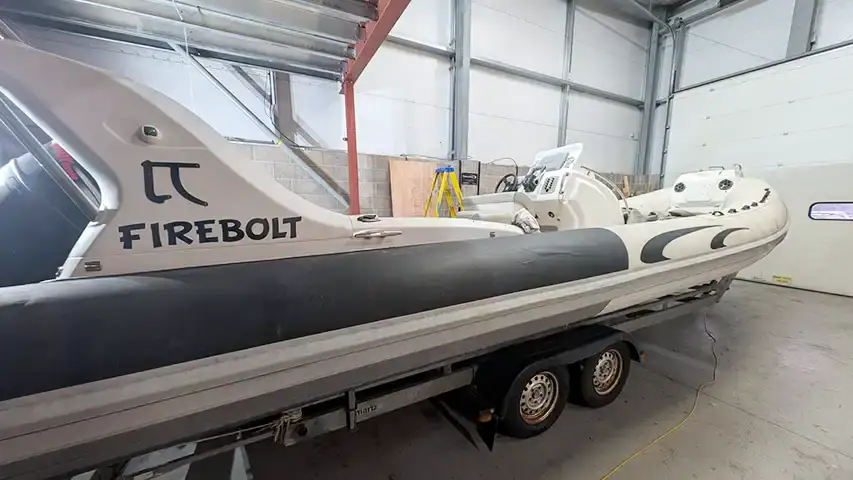
A RIB waiting for a retube at Rodellaribs @ RIBs ONLY - Home of the Rigid Inflatable Boat
Before retubing – © Rodellaribs
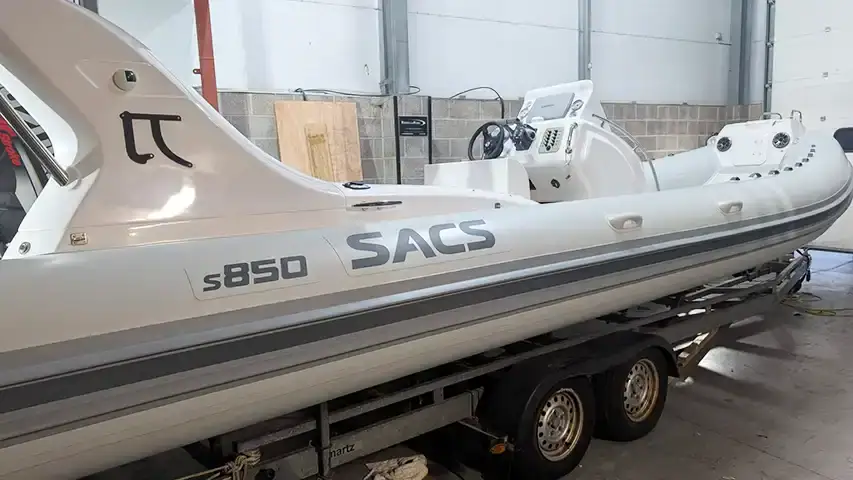
A RIB retubed by Rodellaribs @ RIBs ONLY - Home of the Rigid Inflatable Boat
The same RIB retubed – © Rodellaribs

Simple Repairs Decision Checklist

  1. Isolate the exact problem using a soapy-water test.
  2. Confirm whether it’s a puncture, seam, valve or chafe issue.
  3. Check whether the damage sits on a seam or fold line.
  4. Attempt DIY repair only for isolated, accessible punctures or minor seam lifting.
  5. Call a professional for seam failures, valve replacement uncertainty, or repeated nearby damage.

Frequently Asked Questions

Can I repair a Hypalon tube with a PVC patch kit?
No. Each material requires its own specific adhesive and patch material for a reliable, lasting bond.

How long does a typical tube repair take to cure?
Curing times vary by product, but most patch repairs need at least 24 hours before the chamber is safely re-inflated.

Is it normal for a repaired chamber to need slightly more frequent pressure checks?
Yes, at least initially. Monitoring a repaired area for the first few outings confirms the fix has held properly.


Related reading: What Is a Rigid Inflatable Boat? · How Long Do RIB Tubes Last? · How to Clean and Protect RIB Tubes · Buying a Used RIB: Complete Inspection Guide


RIB Winter Storage Guide

When your RIB is moored outdoors during winter, use a durable cover to protect it from UV exposure and dirt @ RIBs ONLY - Home of the Rigid Inflatable Boat
When moored outdoors in winter use a durable cover for UV and dirt protection – © René Haar

Regular Maintenance Extends Equipment Life

Winter storage is the single biggest factor in how well a RIB ages between seasons. A boat properly prepared for winter storage emerges in spring ready to launch. A neglected one often needs unexpected repairs first.

This guide walks through the complete winter storage process, covering hull, tubes, engine and trailer, in the order that actually matters.

Why Winter Storage Deserves Real Attention

Cold temperatures, damp conditions and months of inactivity all stress a boat in ways summer use doesn’t. Proper winter storage isn’t about doing more work; it’s about doing the right work before the boat sits idle.

Step 1: Clean Everything Thoroughly First

Never store a RIB dirty. Salt residue, algae and grime left on tubes or hull over winter cause far more damage than the same dirt would during active use.

Wash the hull, tubes and deck thoroughly, using appropriate cleaners for each surface. Our detailed routine for tubes specifically is covered in How to Clean and Protect RIB Tubes.

Step 2: Inspect Before You Store

Winter storage is the ideal moment to catch small problems before they worsen unseen for months.

Check tubes for early signs of wear, following the indicators covered in How Long Do RIB Tubes Last?. Address any minor punctures now, using guidance from Common RIB Tube Problems and Repairs, rather than discovering them again in spring.

Step 3: Prepare the Engine

Outboard engines need specific winterisation to avoid damage from freezing or fuel degradation.

  • Run fuel stabiliser through the system before the final run of the season.
  • Flush the engine with fresh water to remove salt residue.
  • Change engine oil and filter if due, rather than leaving old oil in over winter.
  • Fog the cylinders according to manufacturer instructions, where applicable.
  • Disconnect and store the battery somewhere dry, on a trickle charger if possible.

Step 4: Manage Tube Pressure Correctly

Tube pressure changes with temperature. Many owners slightly reduce pressure before long-term winter storage to account for further temperature drops, then re-check and adjust before spring launch.

Never store tubes fully deflated for extended periods, as prolonged folding can stress material unnecessarily. Check manufacturer guidance for your specific tube material and boat.

The precise pressure is indicated on the CE plate in your RIB.

You can find all information on the CE plate in your RIB @ RIBs ONLY - Home of the Rigid Inflatable Boat
A Zodiac CE plate – © Karl Petermichl

Step 5: Choose the Right Storage Environment

Covered outdoor storage protects against UV and reduces snow/ice load, but doesn’t fully prevent temperature swings or dampness.

Indoor dry storage offers the best overall protection, particularly for tubes and upholstery, though it comes at a cost most marinas or storage facilities charge for.

Shrink-wrapping provides strong weather protection for outdoor storage when indoor space isn’t available, though proper ventilation underneath remains essential to avoid trapped moisture.

Step 6: Protect the Trailer Too

If the boat sits on its trailer through winter, check tyre pressure, grease wheel bearings, and consider trailer covers or wheel chocks to prevent flat-spotting on tyres left stationary for months.

A Quick Pre-Storage Checklist

  1. Wash hull, tubes and deck thoroughly.
  2. Inspect tubes and hull for damage needing repair.
  3. Complete full engine winterisation.
  4. Adjust and record tube pressure for spring reference.
  5. Choose appropriate covered or indoor storage.
  6. Prepare the trailer if the boat remains on it.

Frequently Asked Questions

Do I need to winterise the engine if I live somewhere mild?
Fuel stabilisation and a freshwater flush remain worthwhile even in milder climates, protecting against fuel degradation regardless of temperature.

How often should I check on a boat in winter storage?
A monthly check is a reasonable minimum, catching issues like cover damage, pest activity or pressure changes early.

Can I leave a RIB outside uncovered over winter?
It’s not recommended. Uncovered storage significantly accelerates UV damage to tubes and exposes the boat unnecessarily to weather extremes.


Related reading: What Is a Rigid Inflatable Boat? · How Long Do RIB Tubes Last? · How to Clean and Protect RIB Tubes · Can You Leave a RIB in the Water?


How Long Do RIB Tubes Last? Tube Lifespan Explained

Zodiac features a slide-on, slide-off tube system @ RIBs ONLY - Home of the Rigid Inflatable Boat
Zodiac features a slide-on, slide-off tube system – © Karl Petermichl

Tubes Define if the Boat is a RIB or Not

Tube lifespan is the question every RIB owner eventually faces, and the honest answer depends on more than the calendar. Two identical tubes, built the same year, can age at completely different rates.

This guide explains what actually drives tube lifespan, how to judge your own tubes realistically, and when age alone stops being a reliable indicator.

What Really Determines Tube Lifespan

Tube lifespan is shaped by four factors working together, not by age in isolation.

Material sets the baseline. PVC and Hypalon/CSM degrade at genuinely different rates, a difference we cover fully in PVC vs Hypalon/CSM RIB Tubes.

UV exposure is the single biggest accelerator of tube ageing. Boats stored uncovered in strong sun age faster than identical boats kept under cover, regardless of material.

Storage conditions compound UV effects. Damp, poorly ventilated storage encourages mould and material breakdown, even indoors.

Maintenance habits extend or shorten lifespan more than most owners realise. Regular cleaning and UV protection genuinely add years to a tube’s usable life.

Realistic Lifespan Ranges

As a general guide, well-maintained tubes typically last:

  • PVC: 8 – 12 years in moderate climates, shorter under intense, constant sun.
  • Hypalon/CSM: 12 – 20 years, with well-cared-for examples often exceeding this.

These are general ranges, not guarantees. A neglected Hypalon tube can fail sooner than a well-maintained PVC tube. Material sets the ceiling; care determines how close you get to it.

Our first survey includes real-life data showing how long RIB tubes actually last: How Long Does a RIB Really Last? Data From 195 Real Owners. Some of the results will surprise you.

Signs Your Tubes Are Nearing End of Life

Watch for these signals rather than relying on age alone:

  • A chalky, powdery residue that transfers onto your hands.
  • Stiffness or brittleness, particularly along fold lines.
  • Cracking, especially near seams or high-flex areas.
  • Persistent pressure loss despite no visible puncture.
  • Seams lifting or showing visible glue separation.

Extending Tube Lifespan

A few consistent habits meaningfully extend tube lifespan, regardless of material.

Clean tubes regularly with a proper marine tube cleaner, not household detergent. Our full routine is covered in How to Clean and Protect RIB Tubes.

Cover the boat when not in use, particularly in sunny climates. Even a basic cover reduces UV exposure significantly over a season.

Address small punctures or seam issues promptly. Left alone, minor damage accelerates surrounding material fatigue. Our guide Common RIB Tube Problems and Repairs explains what’s safe to fix yourself.

Store correctly during the off-season, following the guidance in our RIB Winter Storage Guide.

When Repair Stops Making Sense

A tube nearing genuine end of life often shows problems in multiple places at once, not just one isolated spot. At that point, patching becomes a temporary fix rather than a real solution.

If you’re evaluating a used RIB and unsure whether its tubes have meaningful life left, our Buying a Used RIB: Complete Inspection Guide covers exactly how to judge remaining tube lifespan during an inspection.


Frequently Asked Questions

Does tube lifespan depend more on age or on condition?
Condition matters far more. A well-maintained older tube can outlast a neglected younger one.

Can I extend tube lifespan after buying a boat with older tubes?
Yes. Consistent cleaning, UV protection and prompt small repairs meaningfully slow further degradation, even on ageing tubes.

Is it normal for tube lifespan to vary between the port and starboard side?
Yes, particularly if one side faces the sun more consistently during storage or mooring.


Related reading: What Is a Rigid Inflatable Boat? · PVC vs Hypalon/CSM RIB Tubes · How to Clean and Protect RIB Tubes · Common RIB Tube Problems and Repairs


Can You Leave a RIB in the Water?

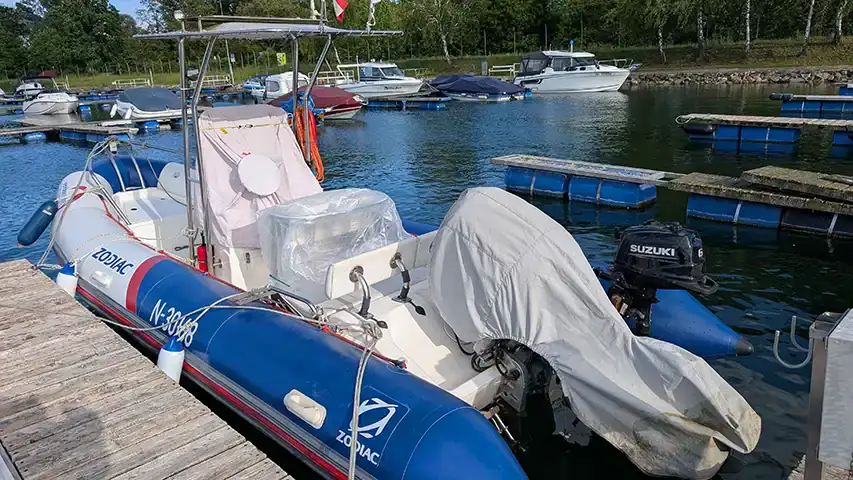
Protect your RIB when mooring @ RIBs ONLY - Home of the Rigid Inflatable Boat
For overnight protection, covering vulnerable areas is usually enough. For longer storage, use a full RIB cover
© Karl Petermichl – Zodiac

Think Twice

Leaving a RIB in the water is convenient, but it isn’t free of consequences. What happens depends heavily on how long, where, and how the boat is set up.

This guide explains what genuinely changes when you keep a RIB in the water for extended periods, so you can make an informed choice rather than a purely convenient one.

What Happens When a RIB Sits in the Water

A RIB in the water continuously experiences several ongoing effects, some cosmetic, some genuinely consequential.

Osmosis and gelcoat issues can develop on GRP hulls left permanently wet, particularly in warmer water over many months.

Marine growth accumulates on the hull below the waterline, adding drag and reducing performance until removed.

Galvanic corrosion becomes a real concern for aluminium hulls and metal fittings, especially in marinas with mixed-metal boats nearby.

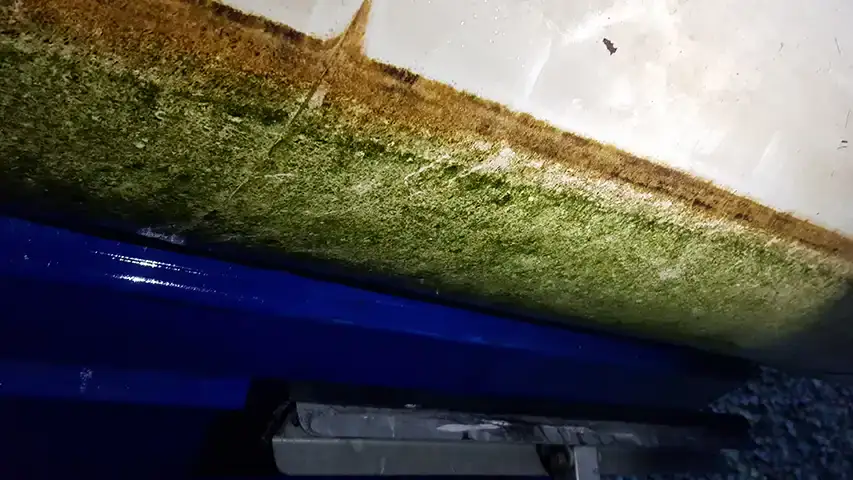
Long contact with water pushes marine growth on the tubes  at the waterline @ RIBs ONLY - Home of the Rigid Inflatable Boat
Tube exposure to constant moisture and marine growth at the waterline can accelerate localised wear on the lower tube surface
© Karl Petermichl

Short-Term vs Long-Term Mooring

A few days or even weeks in the water rarely causes serious problems, provided the boat is properly set up with antifouling and a working bilge pump.

Months of continuous mooring change the calculation considerably. This is where marine growth, osmosis risk and corrosion genuinely accumulate, and where the convenience trade-off deserves real scrutiny.

Antifouling: The Baseline Requirement

Any RIB planning to stay for more than a few days needs proper antifouling paint on the hull below the waterline. Without it, marine growth accumulates rapidly, and removal becomes a bigger job the longer it’s left.

Antifouling requirements and suitable products vary depending on hull material and local water conditions, so checking manufacturer guidance for your specific hull is worthwhile before choosing a product.

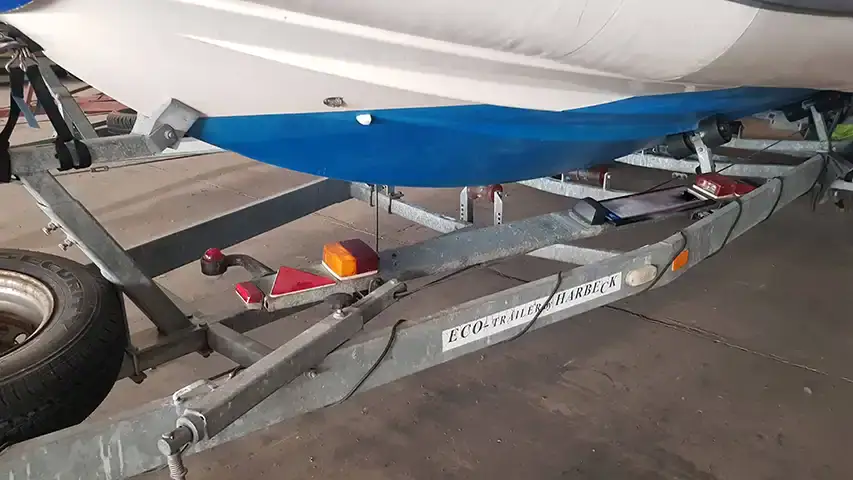
RIB hull with anti-fouling to stop marine growth @ RIBs ONLY - Home of the Rigid Inflatable Boat
RIB hull with antifouling paint for extended mooring in the water – © Karl Petermichl

Bilge Pump Reliability Becomes Critical

A moored RIB depends entirely on a working bilge pump to manage rainwater, spray and any minor seepage. A failed pump on a boat left unattended for days can lead to serious problems.

Check the bilge pump regularly if you’re leaving the boat moored, and consider a battery monitor or float-switch backup for genuine peace of mind during longer absences.

Tube Considerations for Boats Left Moored

Tubes generally tolerate continuous water contact reasonably well, provided the material is in good condition to begin with. Persistent dampness at the waterline can, over time, encourage localised mould or grime buildup that’s worth cleaning regularly.

Our guide How to Clean and Protect RIB Tubes covers the right approach.

When Trailer Storage Makes More Sense

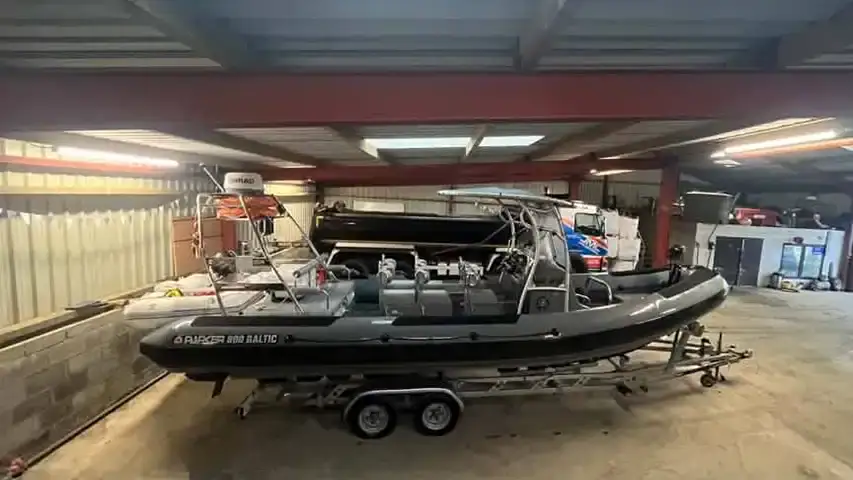
A RIB stored dry on a trailer @ RIBs ONLY - Home of the Rigid Inflatable Boat
A RIB stored dry on a trailer – © John Martin

If your RIB won’t be used for extended stretches, trailer or dry storage generally protects the hull, tubes and fittings better than continuous mooring. Our RIB Winter Storage Guide covers the off-season version of this decision in full.

For boats used frequently through a season, the convenience of leaving a RIB in the water often outweighs the added maintenance, provided antifouling and bilge checks are kept up consistently.


Frequently Asked Questions

Is it safe to leave a RIB in the water overnight occasionally?
Yes, generally, provided the bilge pump works and weather conditions are reasonable.

Does leaving a RIB in the water void any warranty?
Check your specific manufacturer’s terms, as some warranties specify maximum recommended mooring periods without haul-out.

How often should a moored RIB’s hull be checked for growth?
Roughly every 4–6 weeks during warm months, more often in areas with fast-growing marine fouling.


Related reading: What Is a Rigid Inflatable Boat? · RIB Winter Storage Guide · How to Clean and Protect RIB Tubes · PVC vs Hypalon/CSM RIB Tubes


Overpowering a Zodiac RIB: a Good Idea?

Overpowering: A Risky Move…

Before upgrading your boat with engines beyond the specs, review safety limits carefully and consider adjusting your insurance coverage to avoid costly consequences.

In this video a 1995 Zodiac Hurricane 472, a former rescue craft, is repurposed as a rugged project boat.

Originally rated for 70 hp, it receives a BF90 engine. That’s overpowering.

The engine’s long shaft is roughly 6 inches too long, lowering the cavitation plate and causing porpoising.

They consider removing a 5.5-inch extension, but the required parts would cost over a thousand dollars.

Instead, they install a fixed TH Marine Jack Plate costing about $265, cheaper than $400 adjustable versions.

Continue Reading →
×