What Does “Friends of RIBsONLY.com” Actually Mean?
Rigid Inflatable Boats have something special about them. They combine a rigid hull with inflatable tubes, creating a boat that is stable, practical and capable in a wide range of conditions.
For people who share that passion, RIBsONLY.com has been dedicated to the remarkable world of RIBs since 2008.
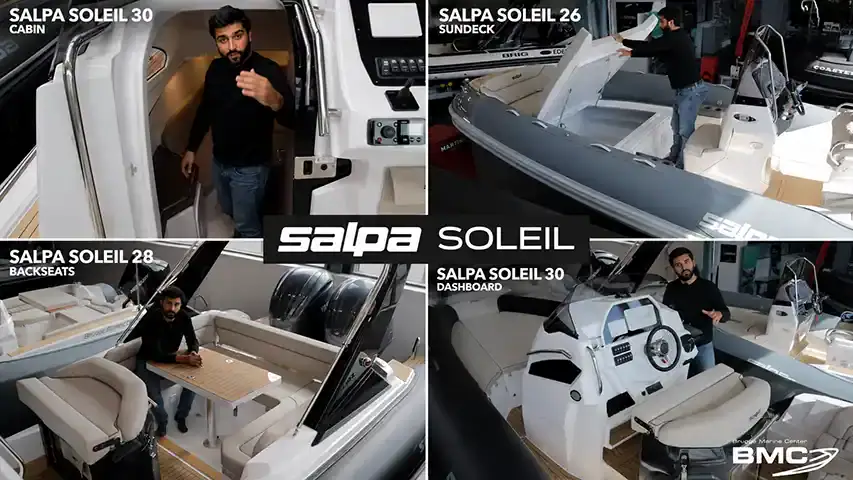
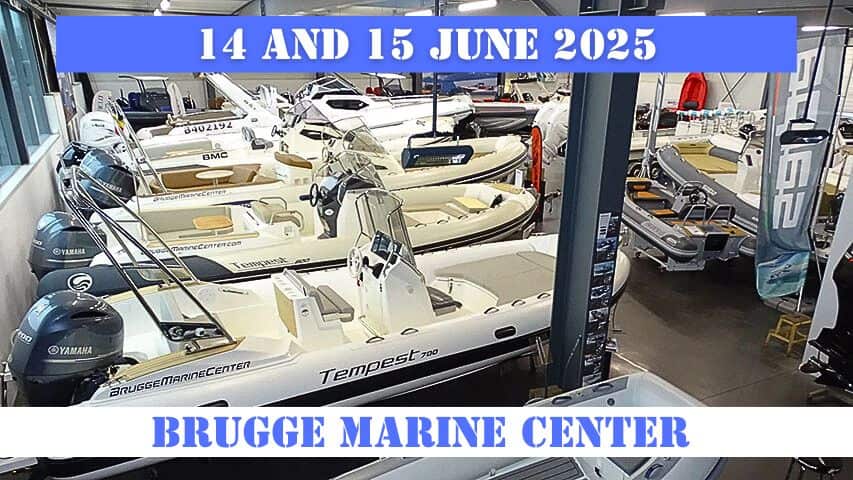
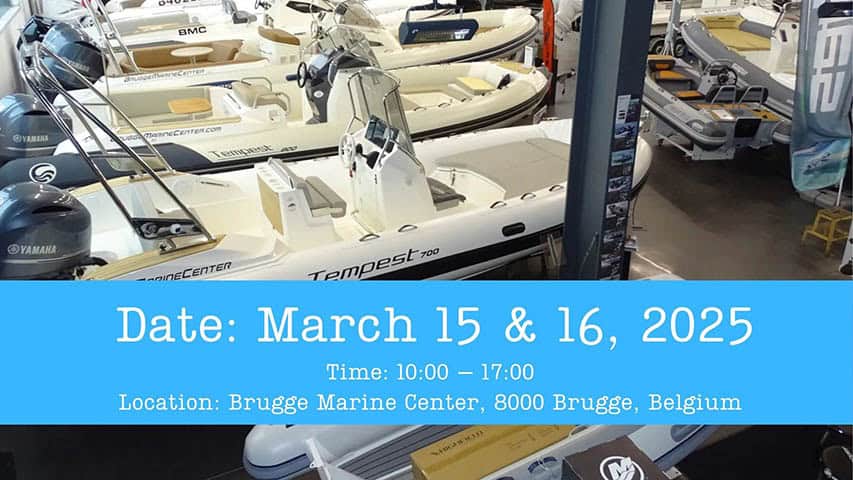
Along the way, we have also built relationships with companies that know this market inside out. I call them Friends of RIBsONLY.com
You will find links to these companies in the RIBsONLY.com sidebar on the right. Pay them a visit.
Who Are the Friends of RIBsONLY.com?
They are not simply RIB manufacturers or marine suppliers.
What connects them is their focus on quality, specialist knowledge on the RIB market.
Friends of RIBsONLY.com may offer:
RIBs designed for leisure, professional or performance use;
Professional tube fabrics and materials;
RIB rentals and charters for B2B;
Specialist marine seating;
Equipment, accessories and technical resources;
Practical advice based on real experience.
A Focus on Quality
RIBsONLY.com has always placed quality above quantity.
The same principle applies to Friends of RIBsONLY.com. The aim is not to create the longest possible list of marine companies here on RIBsONLY.com. It is to highlight businesses that are relevant to RIB owners and serious about what they do.
That means looking at factors such as:
Product and build quality;
Materials and engineering;
Durability and safety;
Specialist knowledge;
Reputation and reliability.
If you’re curious about all active RIB builders worldwide, check my RIBManufadturerList.com. There are more than 200!
Good Service Still Matters
A good product is only part of the story. Good service and support after sales are at least as important. Solid companies understand that.
Buying a RIB, replacing tubes or choosing new seats often involves technical questions and important decisions.
Friends of RIBsONLY.com listen first and are client centred. They help customers find a solution that suits the way they actually use their boat.
That might mean helping a first-time RIB buyer or discussing specific technical requirements with an experienced owner.
Either way, useful advice matters more than a hard sell.
Finding the Right Companies
The RIB market has grown enormously, and there is no shortage of choice.
Friends of RIBsONLY.com are companies with a clear connection to the RIB world.
They know the products, understand the customers and share an interest in keeping people safely and happily on the water.
If you are looking for a RIB, the Friends of RIBsONLY.com network is a very good place to start.
Join the RIBs ONLY Community
RIBsONLY.com is about more than boats and equipment. It is also about the people who use them.
If you have a question, want to share your experience or simply enjoy talking about RIBs, join the conversation in the RIBs ONLY 2.0 Facebook group.
Advice from experienced owners can often be just as valuable as information from manufacturers and suppliers.
And there you can share all your knowledge, your boating trips, great looking RIBs, RIB meetings and so on.
What to Test on the Water Before Committing to a Purchase
A sea trial is the single most revealing part of buying any RIB, new or used, and shouldn’t be skipped. Static inspection tells you a lot, but only on-water testing reveals how the boat actually performs and handles.
This guide provides a structured checklist to follow during a sea trial, covering everything worth testing before you buy.
First of all
Respect the material and the owner. He or she will likely show you how the RIB behaves before handing over the wheel.
Put safety first and treat the RIB as if it were yours. Bear in mind that you cannot test the RIB in all weather and sea conditions.
A boat’s maximum top speed can’t always be reached due to varying conditions.
Of you don’t buy it, ask the owner it you need to cover a cost. It’s being polite.
Why a Sea Trial Is Essential
Many issues, from engine hesitation to hull vibration to handling quirks, only appear once the boat is genuinely underway. A seller reluctant to allow a proper sea trial should raise immediate concerns about the boat’s condition.
Is a sea trial necessary for a brand-new RIB? Yes. Even new boats can have manufacturing defects or setup issues that only appear during on-water testing.
What if the seller refuses a sea trial? Treat this as a significant red flag. A confident seller should have no reason to avoid on-water testing.
Should I test the boat in rough conditions during a sea trial? If safely possible, yes. It reveals handling qualities that flat calm water testing simply won’t show.
How long should a sea trial last? Long enough to test acceleration, cruising, handling, and ideally some varied conditions, typically at least 30 minutes.
If It’s Your First RIB, This is the Buying Guide for You
Buying a Rigid Inflatable Boat (RIB) is easy to get wrong, not because RIBs are complicated, but because the market is enormous.
Hundreds of manufacturers, dozens of hull materials and tube specifications, and sizes ranging from 2.5 to over 12 metres all compete for your attention at once.
This guide cuts through that noise.
It walks through the decisions that actually matter, in the order they should be made, so you arrive at a shortlist that fits your real needs rather than a marketing brochure.
Start With Use Case, Not With Boats
The single biggest mistake buyers make is browsing models before answering what the boat is actually for. Use case determines almost every other decision that follows.
Ask yourself honestly:
Will this be mainly day trips, watersports, fishing, diving, or serious offshore use?
How many people need to be carried comfortably and safely, most of the time?
What sea conditions will the boat realistically encounter, not on your best day, but on a typical one?
Will the boat live on a trailer, a mooring, or in dry storage?
Answering these four questions first turns an overwhelming market into a manageable shortlist. Every section below builds on these answers. It is a solid buying guide.
Size affects capacity, trailering, storage, fuel consumption and rough-water capability all at once.
Undersizing leaves you outgrowing the boat within a season.
Oversizing creates ongoing costs and handling challenges that outweigh the benefits.
As a general guide:
2.5 – 4 m: Tenders and compact day boats, ideal for 2 – 4 people and light use.
4 – 6 m: The most popular leisure segment, suited to families and regular day boating.
6 – 9 m: Serious leisure and offshore-capable RIBs, typically with twin outboards.
9 m+: Commercial, rescue and superyacht-tender territory, beyond most private budgets.
This dedicated guide, What Size RIB Do I Need?, breaks this down further by passenger count, towing capability and realistic budget bands.
Choosing the Right Hull Material
Hull material affects weight, ride quality, resale value and long-term maintenance, but not in the way many first-time buyers expect.
GRP (fibreglass) remains the most common choice, offering a smooth, quiet ride and strong resale recognition across most markets.
Aluminium hulls are lighter in some configurations and highly resistant to impact damage, which explains their popularity in commercial and rescue fleets.
Neither material is objectively “better.”
The right choice depends on your priorities around noise, weight, impact resistance and typical resale market in your region.
Tubes are not a minor spec line. Material choice directly affects lifespan, appearance over time and total cost of ownership.
PVC tubes are more affordable and perform well in moderate climates, but degrade faster under intense, constant UV exposure.
Hypalon/CSM tubes cost more upfront but resist UV and chemical damage significantly better, particularly in hot, sunny regions or heavy commercial use.
If you live somewhere with strong year-round sun, or plan to keep the boat for over a decade, tube material deserves as much attention as hull material.
Engine choice shapes performance, fuel cost and resale value more than almost any other decision.
Underpowering a RIB makes it sluggish and unsafe in a following sea.
Overpowering wastes money and can strain the hull and transom unnecessarily, leading to costly repairs.
Key questions to resolve before choosing:
What is the manufacturer’s recommended horsepower range for this specific hull?
Single or twin outboards, and does your intended use justify the extra cost and complexity of twins?
New, used or refurbished engine, and what does that mean for warranty and reliability?
Our complete guide, How to Choose an Outboard for a RIB, walks through horsepower selection, single vs twin configurations and realistic engine budgets.
New vs Used: Which Should You Buy?
Both paths make sense, depending on budget and risk tolerance.
New RIBs come with full warranty coverage, the latest tube materials and no unknown history. You pay a premium for that certainty.
Used RIBs offer significant savings, sometimes 30 – 50% below new pricing for boats just a few years old, but require careful inspection to avoid inheriting expensive problems.
A realistic budget includes several ongoing and one-time costs buyers commonly underestimate.
Engine, if not already included in the boat’s asking price.
Trailer, storage or mooring fees, depending on where the boat will live.
Insurance, which varies significantly by boat value, region and intended use.
Annual servicing, antifouling and eventual tube maintenance or replacement.
Our full cost breakdown, covering both new and used RIBs across different size segments, is available in How Much Does a RIB Cost?
Matching Boat to Skill Level
Be honest about experience, not aspiration.
A smaller, more forgiving RIB let’s a new boater build genuine confidence before stepping up to something larger or more powerful.
RIBs are widely regarded as excellent first boats, thanks to their forgiving stability, but that reputation assumes appropriate sizing and proper training.
Once you’ve worked through use case, size, materials, engine and budget, building a shortlist becomes far simpler:
List 3-5 models that match your size and use-case answers.
Confirm hull and tube material specifications for each.
Check manufacturer-recommended engine range against your budget.
Arrange viewings and, where possible, sea trials for your top choices.
If considering used boats, apply the full inspection checklist before making an offer.
And that’s your personal buying guide.
Frequently Asked Questions
What’s the biggest mistake first-time RIB buyers make? Choosing a boat based on appearance or a single feature, without first defining use case, size and realistic budget.
Should beginners buy new or used? Either can work well. New removes uncertainty around history and condition; used offers better value if properly inspected.
How much should I budget beyond the boat’s price? Plan for engine, trailer or storage, insurance and annual servicing, typically adding meaningfully to the headline purchase price.
Is a bigger RIB always a better choice? No. Oversized boats create unnecessary cost, handling challenges and storage demands relative to actual use.
To provide the best experiences, we use technologies like cookies to store and/or access device information. Consenting to these technologies will allow us to process data such as browsing behavior or unique IDs on this site. Not consenting or withdrawing consent, may adversely affect certain features and functions.
Functional
Always active
The technical storage or access is strictly necessary for the legitimate purpose of enabling the use of a specific service explicitly requested by the subscriber or user, or for the sole purpose of carrying out the transmission of a communication over an electronic communications network.
Preferences
The technical storage or access is necessary for the legitimate purpose of storing preferences that are not requested by the subscriber or user.
Statistics
The technical storage or access that is used exclusively for statistical purposes.The technical storage or access that is used exclusively for anonymous statistical purposes. Without a subpoena, voluntary compliance on the part of your Internet Service Provider, or additional records from a third party, information stored or retrieved for this purpose alone cannot usually be used to identify you.
Marketing
The technical storage or access is required to create user profiles to send advertising, or to track the user on a website or across several websites for similar marketing purposes.