Regular Maintenance Extends Equipment Life
Winter storage is the single biggest factor in how well a RIB ages between seasons. A boat properly prepared for winter storage emerges in spring ready to launch. A neglected one often needs unexpected repairs first.
This guide walks through the complete winter storage process, covering hull, tubes, engine and trailer, in the order that actually matters.
Why Winter Storage Deserves Real Attention
Cold temperatures, damp conditions and months of inactivity all stress a boat in ways summer use doesn’t. Proper winter storage isn’t about doing more work; it’s about doing the right work before the boat sits idle.
Step 1: Clean Everything Thoroughly First
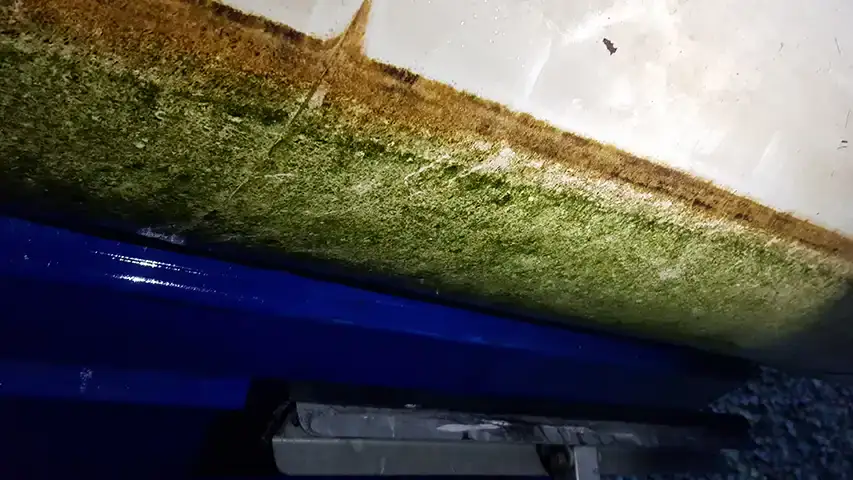
Never store a RIB dirty. Salt residue, algae and grime left on tubes or hull over winter cause far more damage than the same dirt would during active use.
Wash the hull, tubes and deck thoroughly, using appropriate cleaners for each surface. Our detailed routine for tubes specifically is covered in How to Clean and Protect RIB Tubes.
Step 2: Inspect Before You Store
Winter storage is the ideal moment to catch small problems before they worsen unseen for months.
Check tubes for early signs of wear, following the indicators covered in How Long Do RIB Tubes Last?. Address any minor punctures now, using guidance from Common RIB Tube Problems and Repairs, rather than discovering them again in spring.
Step 3: Prepare the Engine
Outboard engines need specific winterisation to avoid damage from freezing or fuel degradation.
- Run fuel stabiliser through the system before the final run of the season.
- Flush the engine with fresh water to remove salt residue.
- Change engine oil and filter if due, rather than leaving old oil in over winter.
- Fog the cylinders according to manufacturer instructions, where applicable.
- Disconnect and store the battery somewhere dry, on a trickle charger if possible.
Step 4: Manage Tube Pressure Correctly
Tube pressure changes with temperature. Many owners slightly reduce pressure before long-term winter storage to account for further temperature drops, then re-check and adjust before spring launch.
Never store tubes fully deflated for extended periods, as prolonged folding can stress material unnecessarily. Check manufacturer guidance for your specific tube material and boat.
The precise pressure is indicated on the CE plate in your RIB.

Step 5: Choose the Right Storage Environment
Covered outdoor storage protects against UV and reduces snow/ice load, but doesn’t fully prevent temperature swings or dampness.
Indoor dry storage offers the best overall protection, particularly for tubes and upholstery, though it comes at a cost most marinas or storage facilities charge for.
Shrink-wrapping provides strong weather protection for outdoor storage when indoor space isn’t available, though proper ventilation underneath remains essential to avoid trapped moisture.
Step 6: Protect the Trailer Too
If the boat sits on its trailer through winter, check tyre pressure, grease wheel bearings, and consider trailer covers or wheel chocks to prevent flat-spotting on tyres left stationary for months.
A Quick Pre-Storage Checklist
- Wash hull, tubes and deck thoroughly.
- Inspect tubes and hull for damage needing repair.
- Complete full engine winterisation.
- Adjust and record tube pressure for spring reference.
- Choose appropriate covered or indoor storage.
- Prepare the trailer if the boat remains on it.
Frequently Asked Questions
Do I need to winterise the engine if I live somewhere mild?
Fuel stabilisation and a freshwater flush remain worthwhile even in milder climates, protecting against fuel degradation regardless of temperature.
How often should I check on a boat in winter storage?
A monthly check is a reasonable minimum, catching issues like cover damage, pest activity or pressure changes early.
Can I leave a RIB outside uncovered over winter?
It’s not recommended. Uncovered storage significantly accelerates UV damage to tubes and exposes the boat unnecessarily to weather extremes.
Related reading: What Is a Rigid Inflatable Boat? · How Long Do RIB Tubes Last? · How to Clean and Protect RIB Tubes · Can You Leave a RIB in the Water?