Friends of RIBsONLY.com Boost Your Boating Experience

Friends of RIBs ONLY @ RIBs ONLY - Home of the Rigid Inflatable Boat
Friends of RIBsONLY.com think client centred

What Does “Friends of RIBsONLY.com” Actually Mean?

Rigid Inflatable Boats have something special about them. They combine a rigid hull with inflatable tubes, creating a boat that is stable, practical and capable in a wide range of conditions.

For people who share that passion, RIBsONLY.com has been dedicated to the remarkable world of RIBs since 2008.

Along the way, we have also built relationships with companies that know this market inside out. I call them Friends of RIBsONLY.com

You will find links to these companies in the RIBsONLY.com sidebar on the right. Pay them a visit.

Who Are the Friends of RIBsONLY.com?

They are not simply RIB manufacturers or marine suppliers.

What connects them is their focus on quality, specialist knowledge on the RIB market.

Friends of RIBsONLY.com may offer:

  • RIBs designed for leisure, professional or performance use;
  • Professional tube fabrics and materials;
  • RIB rentals and charters for B2B;
  • Specialist marine seating;
  • Equipment, accessories and technical resources;
  • Practical advice based on real experience.

A Focus on Quality

RIBsONLY.com has always placed quality above quantity.

The same principle applies to Friends of RIBsONLY.com. The aim is not to create the longest possible list of marine companies here on RIBsONLY.com. It is to highlight businesses that are relevant to RIB owners and serious about what they do.

That means looking at factors such as:

  • Product and build quality;
  • Materials and engineering;
  • Durability and safety;
  • Specialist knowledge;
  • Reputation and reliability.

If you’re curious about all active RIB builders worldwide, check my RIBManufadturerList.com. There are more than 200!

Good Service Still Matters

A good product is only part of the story. Good service and support after sales are at least as important. Solid companies understand that.

Buying a RIB, replacing tubes or choosing new seats often involves technical questions and important decisions.

Friends of RIBsONLY.com listen first and are client centred. They help customers find a solution that suits the way they actually use their boat.

That might mean helping a first-time RIB buyer or discussing specific technical requirements with an experienced owner.

Either way, useful advice matters more than a hard sell.

Finding the Right Companies

The RIB market has grown enormously, and there is no shortage of choice.

Friends of RIBsONLY.com are companies with a clear connection to the RIB world.

They know the products, understand the customers and share an interest in keeping people safely and happily on the water.

If you are looking for a RIB, the Friends of RIBsONLY.com network is a very good place to start.

Join the RIBs ONLY Community

RIBsONLY.com is about more than boats and equipment. It is also about the people who use them.

If you have a question, want to share your experience or simply enjoy talking about RIBs, join the conversation in the RIBs ONLY 2.0 Facebook group.

Advice from experienced owners can often be just as valuable as information from manufacturers and suppliers.

And there you can share all your knowledge, your boating trips, great looking RIBs, RIB meetings and so on.

Join the RIBs ONLY 2.0 Facebook group.


Related reading: What Is a Rigid Inflatable Boat? · RIB Buying Guide: How to Choose the Right Boat · Buying a Used Rigid Inflatable Boat? Free Download! 

RIB Console Types and Ergonomics

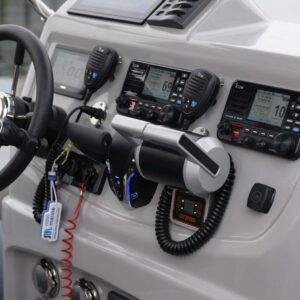
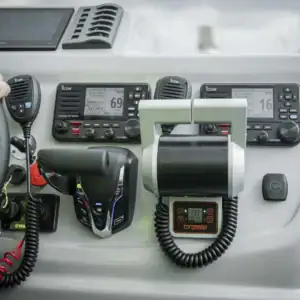
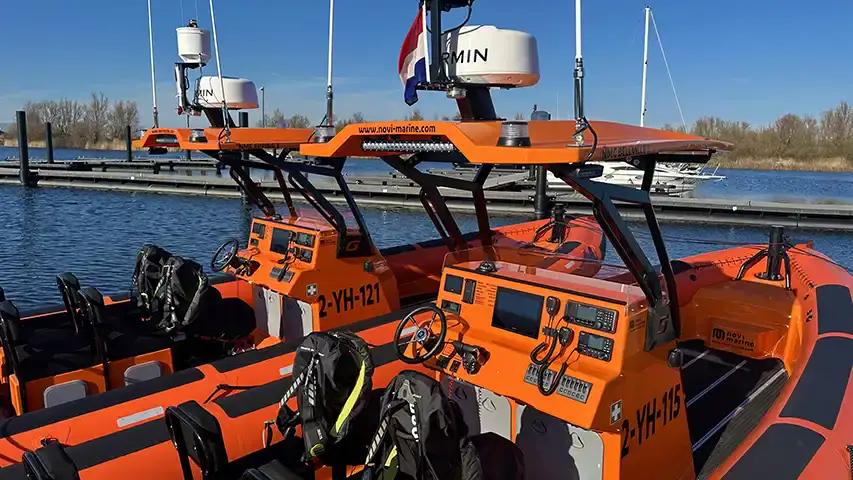
Console and dashboard of two professional-grade Gemini RIBs by Novi Marine @ RIBs ONLY - Home of the Rigid Inflatable Boat
Console and helm station of two professional-grade Gemini RIBs by Novi Marine – © Medianaut, Nautical News Media

How Helm Design Affects Control, Comfort, and Safety Underway

The console is where the helmsman spends the entire trip, making its design more important than its appearance suggests. Control layout, visibility, and ergonomics directly affect how safely and comfortably a RIB can be operated.

This guide covers the main console types found on RIBs and what separates good ergonomic design from poor design.

Why Console Design Matters

A well-designed helm station places controls within easy, intuitive reach without requiring the helmsman to look away from the water. Poor ergonomics can lead to fatigue, slower reaction times, and reduced control precision, particularly in challenging conditions.

Console design also affects visibility, weather protection, and how securely the helmsman can brace during rough water.

Centre Console Layout

Centre console RIBs place the helm in the middle of the boat, offering 360-degree visibility and access around the deck. This layout is extremely common, valued for its versatility across leisure, fishing, and commercial applications alike.

Centre consoles typically offer good balance and weight distribution, supporting predictable handling characteristics.

Side Console Layout

Side console RIBs position the helm to one side, freeing up more open deck space on the opposite side. This layout suits boats prioritising deck space for fishing, diving, or cargo over central helm positioning.

Visibility can be slightly compromised to one side compared with a true centre console arrangement.

Forward Console Layout

Forward console designs place the helm nearer the bow, common on smaller RIBs and some tender designs. This maximises usable deck space aft of the console, useful for seating or storage in compact boats.

Ride comfort at the helm can be more affected by wave impact in this position compared with a more central location.

Key Ergonomic Features to Evaluate

Wheel height and angle should allow a natural, relaxed arm position without hunching or overreaching.

Throttle position should fall naturally under the hand without requiring awkward wrist or arm movement.

Instrument visibility matters in bright sunlight; glare-resistant displays are a meaningful practical feature, not just a nice-to-have.

Grab rails and secure footing near the helm allow the helmsman to brace safely during rough water operation.

Seating at the Console

Jockey seats, designed for a semi-standing straddle position, generally offer better control and comfort in rough water than bench seating. Bolstered seating with thigh support helps the helmsman stay braced and in control without constant manual effort.

Our guide RIB Seating Layouts Explained covers how console seating fits into the broader deck layout picture.

Weather Protection and Visibility

A windscreen or spray hood improves comfort considerably on longer trips or in wet, cold conditions. Full protection adds weight and cost but meaningfully improves usability in poor weather for regular boaters.

Balance weather protection against your typical climate and trip length when evaluating console options.

Instrument and Control Layout

Modern consoles increasingly integrate multifunction displays combining navigation, engine data, and safety information in one screen. Simpler analogue gauge layouts remain common and can be easier to read at a glance for some users.

Our guide RIB Navigation and Electronics Guide covers instrument and electronics choices in more depth.

Choosing the Right Console Type

Match console type to your primary use: centre console for versatility, side console for deck space, forward for compact boats.

Prioritise ergonomic testing over visual appeal; sit at the helm and check reach, visibility, and comfort personally.

Our RIB Buying Guide: How to Choose the Right Boat covers console choice alongside every other major specification decision.


Frequently Asked Questions

What’s the most common console type on leisure RIBs?
Centre console layouts are most common, valued for balanced visibility, handling, and deck access.

Is jockey seating necessary for all RIBs?
Not necessarily, but it offers meaningful benefits for boats regularly used in rough water at speed.

Does console position affect handling?
Yes, somewhat, through weight distribution, though hull design typically has a larger overall handling impact.

What should I check when testing a console in person?
Wheel and throttle reach, instrument visibility in sunlight, grab rail placement, and seating comfort at speed.


Related reading: What Is a Rigid Inflatable Boat? · RIB Seating Layouts Explained · RIB Navigation and Electronics Guide · How to Drive a RIB in Rough Water · RIB Buying Guide: How to Choose the Right Boat


Hybrid RIBs Explained

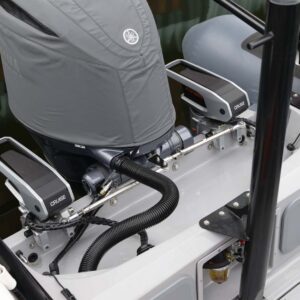
A custom hybrid solution on a Gemini by Novi Marine @ RIBs ONLY - Home of the Rigid Inflatable Boat
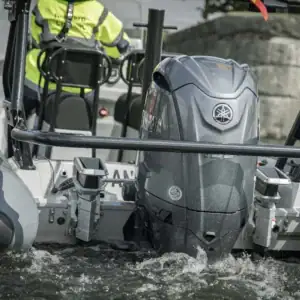
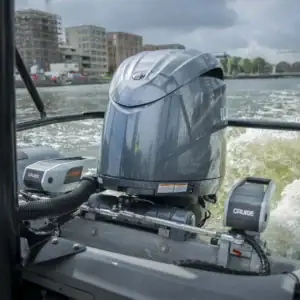
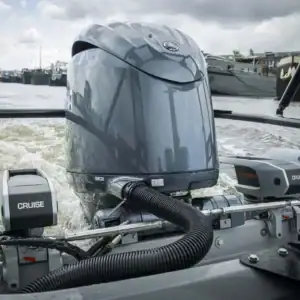
A hybrid Gemini RIB by Novi Marine – Yamaha in the middle flanked by Torqeedos – © 2026 Medianaut, Nautical News Media

How Combined Electric and Combustion Propulsion Works on a RIB

Hybrid propulsion offers a middle path between the range of combustion engines and the efficiency of electric motors.

For RIBs, this typically means combining a combustion outboard or inboard with an electric motor and battery system.

This guide explains how hybrid RIB systems work, their real-world benefits, and where the added complexity may not be worthwhile.

A custom hybrid solution throttles on a Gemini by Novi Marine @ RIBs ONLY - Home of the Rigid Inflatable Boat
The throttles for a hybrid Gemini RIB by Novi Marine – © 2026 Medianaut, Nautical News Media

What a Hybrid RIB Actually Is

A hybrid RIB pairs a conventional combustion engine with an electric motor, battery pack, and control system.

The two power sources can work independently or together, depending on the specific system design and operating mode.

This differs from a fully electric RIB, covered in our guide Electric RIBs: Technology and Limitations, which removes combustion power entirely.

Series vs Parallel Hybrid Systems

Series hybrid systems use the combustion engine solely to generate electricity, which then powers an electric propulsion motor.

Parallel hybrid systems allow either the combustion engine or electric motor to drive the propeller independently or together.

Parallel systems are more common on RIBs currently, offering flexibility between electric-only and combustion-assisted operation.

Series systems are less common but can offer smoother, more consistent power delivery in certain use cases.

Benefits of Hybrid Propulsion

Hybrid systems allow quiet, emission-free electric operation for short trips, harbour manoeuvring, or sensitive environments.

Combustion power remains available for longer range, higher speed, or situations where battery charge runs low.

This flexibility addresses the range anxiety that limits fully electric RIBs for many owners today.

Fuel efficiency can improve too, since electric assistance reduces combustion engine load during certain operating conditions.

Drawbacks and Added Complexity

Hybrid systems add weight, cost, and mechanical complexity compared with either pure combustion or pure electric propulsion.

More components mean more potential points of failure, and specialised servicing may be harder to source.

The added weight of carrying both a battery pack and a combustion engine can offset some efficiency gains.

For buyers who rarely need electric-only operation, a hybrid system may add cost without proportional benefit.

Performance Characteristics

Hybrid RIBs generally offer full combustion-engine range and speed, with electric-only capability as a supplementary mode.

Acceleration can benefit from combined power delivery, particularly in parallel systems that blend both sources.

Top speed is typically similar to a comparable combustion-only boat, since combustion remains the primary high-speed power source.

Typical Applications for Hybrid RIBs

Harbour authorities and commercial operators often favour hybrid systems, combining regulatory compliance with operational range flexibility.

Leisure owners who value occasional silent running, such as for wildlife watching, may also find hybrid systems appealing.

Our guide Professional and Rescue RIBs Explained covers how professional operators weigh propulsion choices against mission requirements.

Cost Considerations

Hybrid systems typically cost more than either pure combustion or pure electric equivalents, reflecting added component complexity.

Our guide How Much Does a RIB Cost? covers the broader cost factors that apply across propulsion types.

Weigh the premium against how often you’d realistically use the electric-only mode before committing to hybrid propulsion.

Contrasting series and parallel hybrid configurations by power flexibility, complexity, and typical use case @ RIBs ONLY - Home of the Rigid Inflatable Boat
Contrasting series and parallel hybrid configurations by power flexibility, complexity, and typical use case.
© 2026 Medianaut, Nautical News Media

Is a Hybrid RIB Worth Considering?

Choose hybrid if you want occasional electric-only capability without sacrificing combustion range and top speed.

Choose pure electric if your use case never requires long range or high speed regardless of circumstances.

Choose pure combustion if simplicity, lower cost, and proven reliability matter more than occasional silent running.

Our RIB Buying Guide: How to Choose the Right Boat helps weigh propulsion choice against your typical use case.


Frequently Asked Questions

Is a hybrid RIB more reliable than pure electric?
It offers more range flexibility, but added complexity means more components that could potentially require servicing.

How much extra does hybrid propulsion cost?
Typically more than pure combustion or pure electric systems, reflecting the added battery, motor, and control components.

Can hybrid RIBs run on electric power alone?
Yes, most parallel hybrid systems allow electric-only operation for short trips or sensitive environments.

Who benefits most from hybrid RIB technology?
Commercial operators and harbour authorities needing both range and occasional silent, emission-free operation benefit most.


Related reading: What Is a Rigid Inflatable Boat? · Electric RIBs: Technology and Limitations · Professional and Rescue RIBs Explained · How Much Does a RIB Cost? · RIB Buying Guide: How to Choose the Right Boat


Can a RIB Sink?

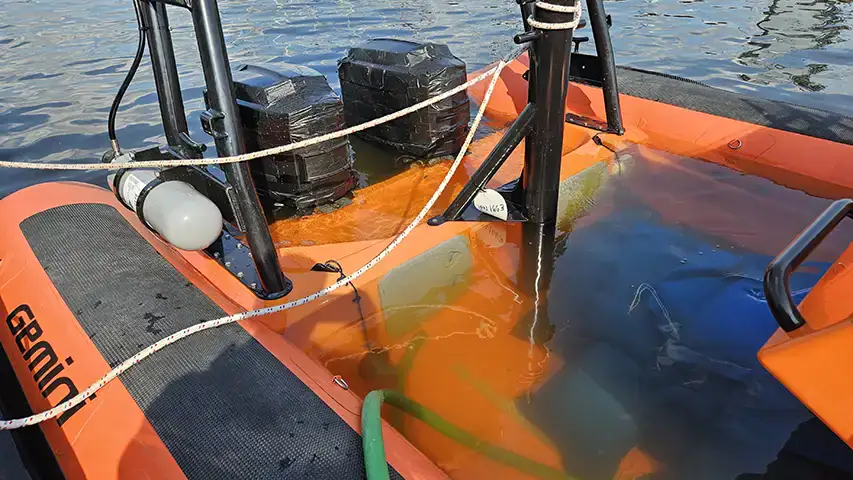
Swamping Is Not the Same as Sinking @ RIBs ONLY - Home of the Rigid Inflatable Boat
Part of the SOLAS testing: swamping a Gemini RIB – © Novi Marine

A Sinking RIB is Very Rare

It’s one of the most searched questions about Rigid Inflatable Boats, and for good reason.

If a tube is just air, what happens when it fails?

The honest answer: a RIB can sink, but it takes far more than most people assume.

This article explains exactly what, why, and how rarely it actually happens in practice.

The Short Answer

A properly maintained RIB, built to a recognised standard, is extremely difficult to sink.

Multiple independent air chambers, combined with a buoyant hull, mean the boat typically survives damage that would sink a comparable hard-hull vessel outright.

Sinking a RIB usually requires a combination of failures happening at once, not a single puncture or leak.

Swamping Is Not the Same as Sinking

These two words get confused constantly, and the distinction matters.

Swamping means the boat fills with water on deck or in the cockpit, while the tubes and hull retain enough buoyancy to keep it afloat, just low in the water and difficult to control.

Swamping Is Not the Same as Sinking @ RIBs ONLY - Home of the Rigid Inflatable Boat
Part of the SOLAS testing: swamping a Gemini RIB was successful – it still floats – © Novi Marine

Sinking means the boat loses enough total buoyancy to go under the surface entirely.

Most dramatic-looking RIB incidents, including the ones people describe as “nearly sinking,” are actually swamping events. The boat stays afloat, if unpleasantly, and remains recoverable.

Why Multi-Chamber Tubes Make Sinking So Difficult

Most RIB tubes are divided into three to seven separate, sealed air chambers rather than one continuous tube.

We explain this design in full in Why Do RIBs Have Inflatable Tubes?, but the safety implication deserves its own focus here.

A single puncture only affects the chamber it occurs in. The remaining chambers stay fully inflated and continue providing buoyancy, even if one section goes completely flat.

For a RIB to lose all tube buoyancy, multiple chambers would need to fail simultaneously or in very quick succession. In practice, that scenario is rare, and almost always linked to serious, sustained damage rather than routine wear or a single sharp object.

The Hull Also Contributes Buoyancy

Tubes aren’t the only thing keeping a RIB afloat.

Many GRP hulls include foam-filled sections built into the structure specifically to add buoyancy, independent of the tubes entirely.

This means that even in an extreme scenario involving total tube failure, a foam-cored hull can still keep the boat from fully sinking, though it would sit very low and be unsafe to operate.

Aluminium hulls generally don’t rely on foam buoyancy in the same way, since the hull material itself doesn’t require it for structural reasons.

Our comparison, Aluminium vs Fibreglass RIB, covers this difference in more practical detail.

What Would Actually Need to Happen

To genuinely sink a well-built RIB, several things typically need to go wrong together:

  • Multiple tube chambers failing at the same time, from major impact damage rather than a single puncture.
  • A significant hull breach, allowing water to enter faster than it can drain or be pumped out.
  • Heavy fixed weight on board, particularly a large outboard engine, pulling the stern down once buoyancy is compromised.
  • No self-bailing capability, or a self-bailing system that’s blocked or overwhelmed.
  • Continued water ingress with no attempt to reach shore, beach the boat, or call for assistance.

Remove any one of these factors, and the outcome usually changes from “sinking” to “seriously damaged but recoverable.”

Self-Bailing Cockpits: An Extra Layer of Protection

Many RIBs, particularly rescue and offshore leisure models, feature self-bailing cockpits. The deck sits above the waterline, with drainage holes that let water flow out automatically rather than pooling inside the boat.

This design means that even significant water coming aboard in rough conditions drains away continuously, rather than accumulating and adding dangerous weight.

It’s one of several design features borrowed directly from the RIB’s rescue-boat origins, which we cover in What Is a Rigid Inflatable Boat?.

Real-world Testing Backs This Up

Rescue services don’t take buoyancy claims on faith.

Every RIB destined for lifeboat or coastguard service undergoes extensive testing designed specifically to answer this exact question under extreme conditions.

We cover this testing directly, including footage of RIBs deliberately pushed to their limits, in our companion article Are Rigid Inflatable Boats Safe?.

The results consistently show boats absorbing damage that would be catastrophic for a hard-hull vessel of similar size.

What This Means for Owners

None of this is a reason for complacency. It’s a reason to maintain tubes properly, rather than assume the multi-chamber design makes damage irrelevant.

  • Inspect all chambers regularly for pressure loss, not just the ones that look obviously damaged.
  • Repair small punctures or seam issues promptly, before they worsen under continued use.
  • Never assume one soft chamber is harmless; investigate the cause rather than simply re-inflating and moving on.
  • Understand your specific boat’s buoyancy design, including whether the hull includes foam flotation.

Our full inspection guidance, including exactly how to check chamber condition on a used or existing RIB, is covered in Buying a Used RIB: Complete Inspection Guide.


Frequently Asked Questions

Can a single puncture sink a RIB?
Extremely unlikely. Multi-chamber construction means a single puncture typically causes a localised loss of buoyancy, not a full sinking.

What’s more dangerous, tube failure or hull damage?
Hull damage is generally more serious, since it can allow direct water ingress that tubes alone cannot fully compensate for, particularly combined with a heavy engine.

Do all RIBs have foam-filled hulls?
No. It varies by manufacturer and model. Some GRP hulls include foam buoyancy sections; others rely primarily on the tubes and hull shape alone.

Is an older RIB more likely to sink than a new one?
Age alone isn’t the deciding factor. Maintenance history, tube condition and prior repair quality matter far more than the boat’s calendar age.

Should I worry about my RIB sinking during normal use?
No, provided tubes are properly maintained and chambers are checked regularly. Sinking incidents almost always involve significant, compounding failures rather than routine wear.


Related reading: Are Rigid Inflatable Boats Safe? · Why Do RIBs Have Inflatable Tubes? · What Is a Rigid Inflatable Boat? · Buying a Used RIB: Complete Inspection Guide


Novi Marine Hands Over Hybrid Patrol RIB to Antwerp

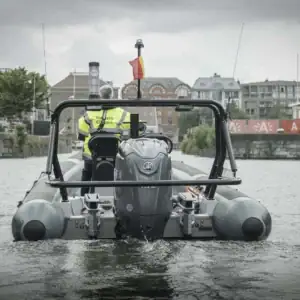
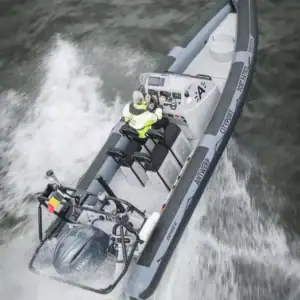
A Unique Gemini Hybrid Patrol RIB for City Harbour Antwerp @ RIBs ONLY - Home of the Rigid Inflatable Boat

A Unique Gemini Hybrid Patrol RIB for City Harbour Antwerp

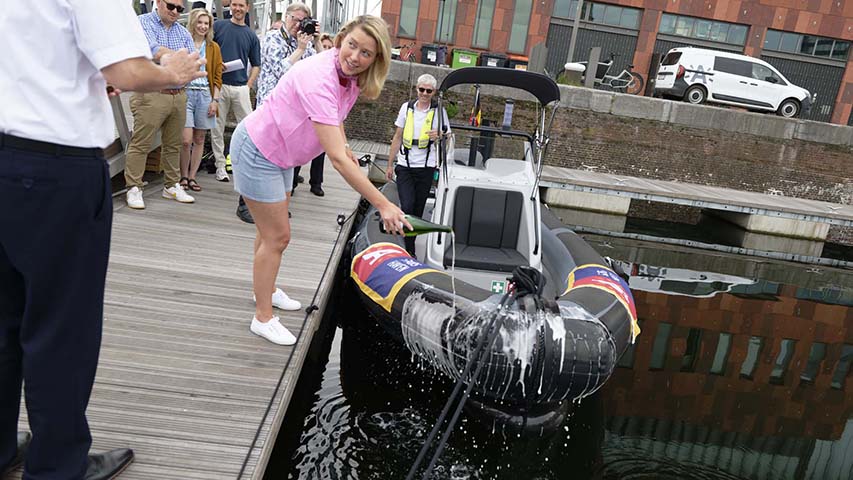
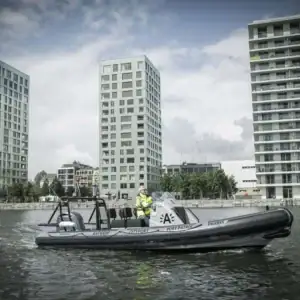
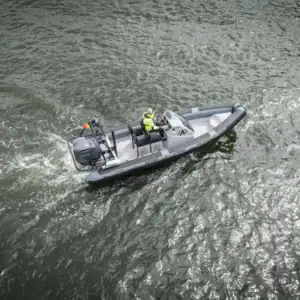
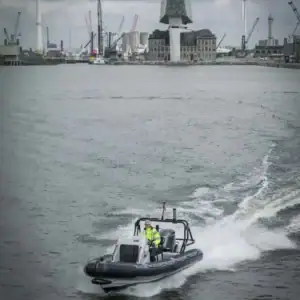
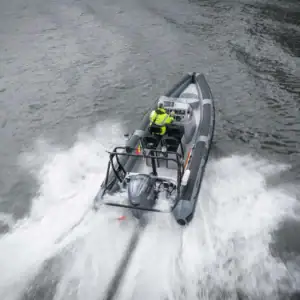
Novi Marine (The Netherlands) won the 140 points long tender and officially delivered the very first and unique hybrid Gemini WR650 patrol RIB to the “Stadshaven Antwerpen” (Belgium).

A RIB or Rigid Inflatable Boat is a very safe high-performance motor boat.

The ceremony was attended by Antwerp mayor Els van Doesburg and city harbour master Werner Weijts, amongst others.

I attended the event and witnessed the handover of the 6.5-metre Gemini WR650 Hybrid.

The patrol boat combines a Yamaha 150 hp outboard with a twin Torqeedo electric propulsion system.

It operates electrically in urban areas and switches to petrol power for rapid interventions.

According to Novi Marine, distributor of GEMINI RIBs, the vessel meets the latest European emissions standards and prepares Stadshaven Antwerpen for future regulations.


Proud to share that Gemini Marine and novi-marine are good Friends of RIBs ONLY.


Regular Specs

Continue Reading →
×