A Question Often Put: What Does RIB Stand for?
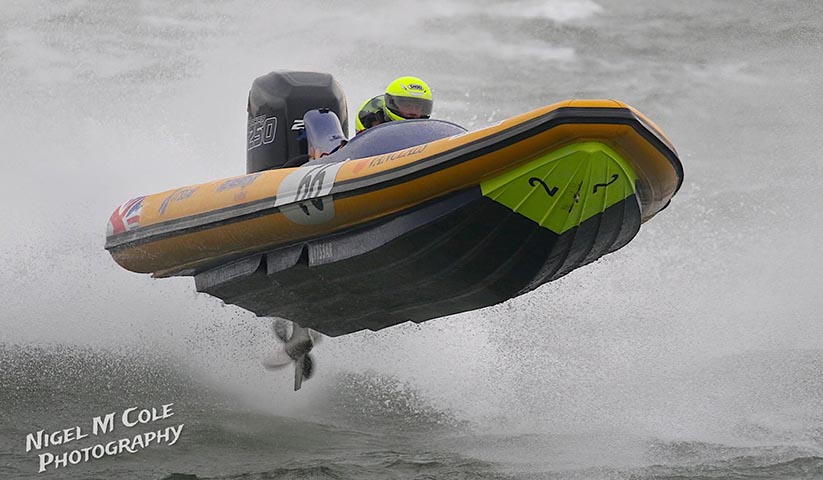
RIB stands for Rigid Inflatable Boat. It’s a motorboat with a solid hull and inflatable tubes around the sides.
That short definition explains the name. It doesn’t yet explain why the design exists, or why it matters so much in modern boating.
This article breaks down the term itself, where it came from, and how it relates to similar acronyms you’ll encounter while researching a RIB purchase.
The Meaning, Word by Word
Each word in “Rigid Inflatable Boat” describes a real, physical part of the vessel.
Rigid refers to the hull. It’s a solid structure, usually GRP (fibreglass) or aluminium, built the same way a conventional boat’s hull is built.
Inflatable refers to the tubes. These are air-filled chambers, called sponsons, fitted around the boat’s perimeter above the waterline.
Boat is simply the vessel itself, the combination of both elements working together.
Put together, the name is refreshingly literal. It describes exactly what you’re looking at: a rigid hull, wrapped in inflatable tubes.
Is RIB Also Written as R.I.B.?
Both forms exist in print. “RIB” without periods has become the standard in modern usage, including throughout the marine industry and in most manufacturer literature.
You’ll occasionally see “R.I.B.” in older documents or formal naval contexts, but it means exactly the same thing.
RIB vs RHIB: Same Acronym Family, Different Context
You’ll often see a related term: RHIB, or Rigid-Hulled Inflatable Boat. It describes the same core design.
The difference is mostly about who uses the term, not how the boat is built.
Military, coast guard and commercial operators tend to say RHIB. Leisure boaters and most manufacturers say RIB.
We cover every practical difference, including size and equipment trends between the two, in our dedicated guide: RIB vs RHIB: Meaning and Differences.

Why the Name Matters for Buyers
Understanding the acronym isn’t just trivia. It tells you what to expect structurally, which affects everything from maintenance to resale value.
A “rigid” hull means the boat handles like a conventional planing boat at speed.
An “inflatable” tube system means that boat also carries reserve buoyancy and shock absorption a hard-hull boat simply doesn’t have.
That combination is the entire reason RIBs exist. Our complete guide, What Is a Rigid Inflatable Boat?, explains how the two parts work together in far more depth.
Where the Name Comes From
The term emerged alongside the design itself, in the 1960s at Atlantic College in Wales (which is now grown remarkably).
Early builders needed a way to describe a lifeboat that was neither a fully rigid hull nor a fully inflatable dinghy.
“Rigid Inflatable Boat” described the hybrid precisely, and the name stuck.
Now you know what RIB stands for, why the name matters, and what makes these boats different from conventional motorboats.
Frequently Asked Questions
Is RIB an official technical term or just a nickname?
It’s a genuine technical classification, used throughout the marine industry, by manufacturers, surveyors and regulatory bodies alike.
Do all RIBs have the word “RIB” in their model name?
No. Most manufacturers use their own model names. “RIB” describes the boat category, not a specific brand or product line.
Is a RIB the same thing people call an “inflatable boat”?
Not quite. A fully inflatable boat lacks a rigid hull entirely. Our guide RIB vs Inflatable Boat: What Is the Difference? explains the distinction in full.
Related reading: What Is a Rigid Inflatable Boat? · RIB vs RHIB: Meaning and Differences · How Does a RIB Work?